
Residential
Munger Place, Dallas - Prairie-Style Architecture, City-Center Living and Real Expertise
We know the neighborhood.
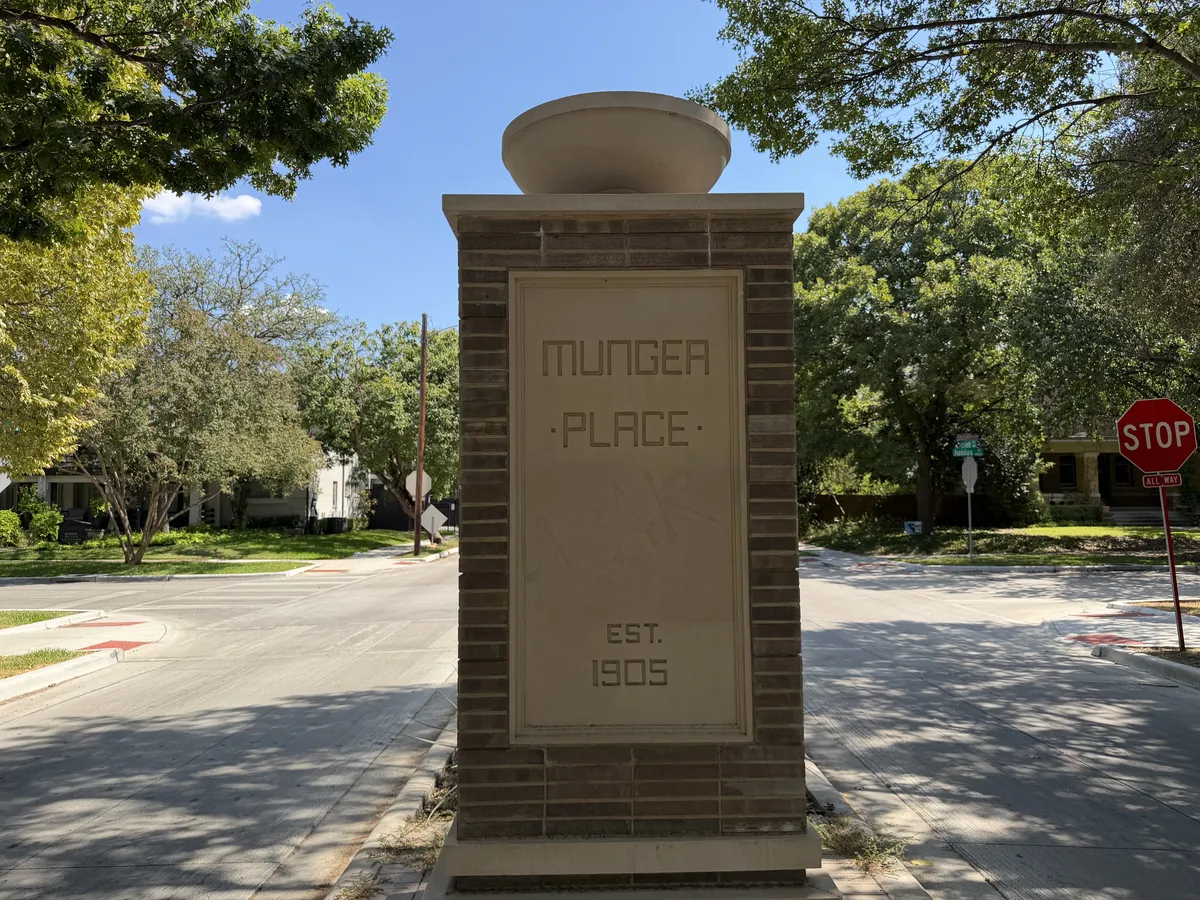
Munger Place is one of East Dallas's original planned neighborhoods — a preservation district of Prairie Four-Square and Craftsman homes just a couple of miles from downtown, where deed restrictions dating back to 1905 still protect the uniform, tree-lined streetscape today. If you're looking to buy or sell here, you want an agent who has actually closed deals in the neighborhood, not just one who can point it out on a map. Adam Nelson has represented clients on transactions in Munger Place ranging from a $368,000 condo to a $1,250,000 quadruplex.
What is Munger Place?
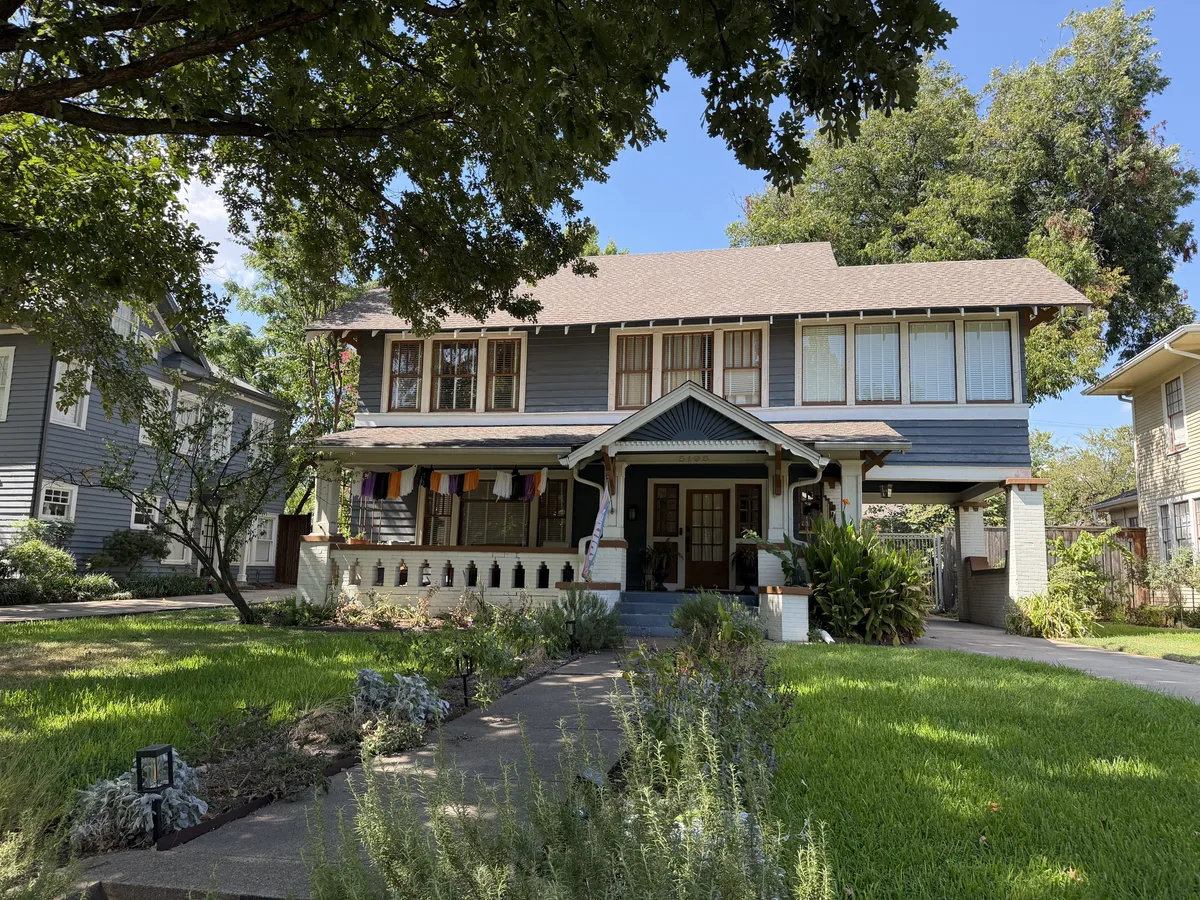
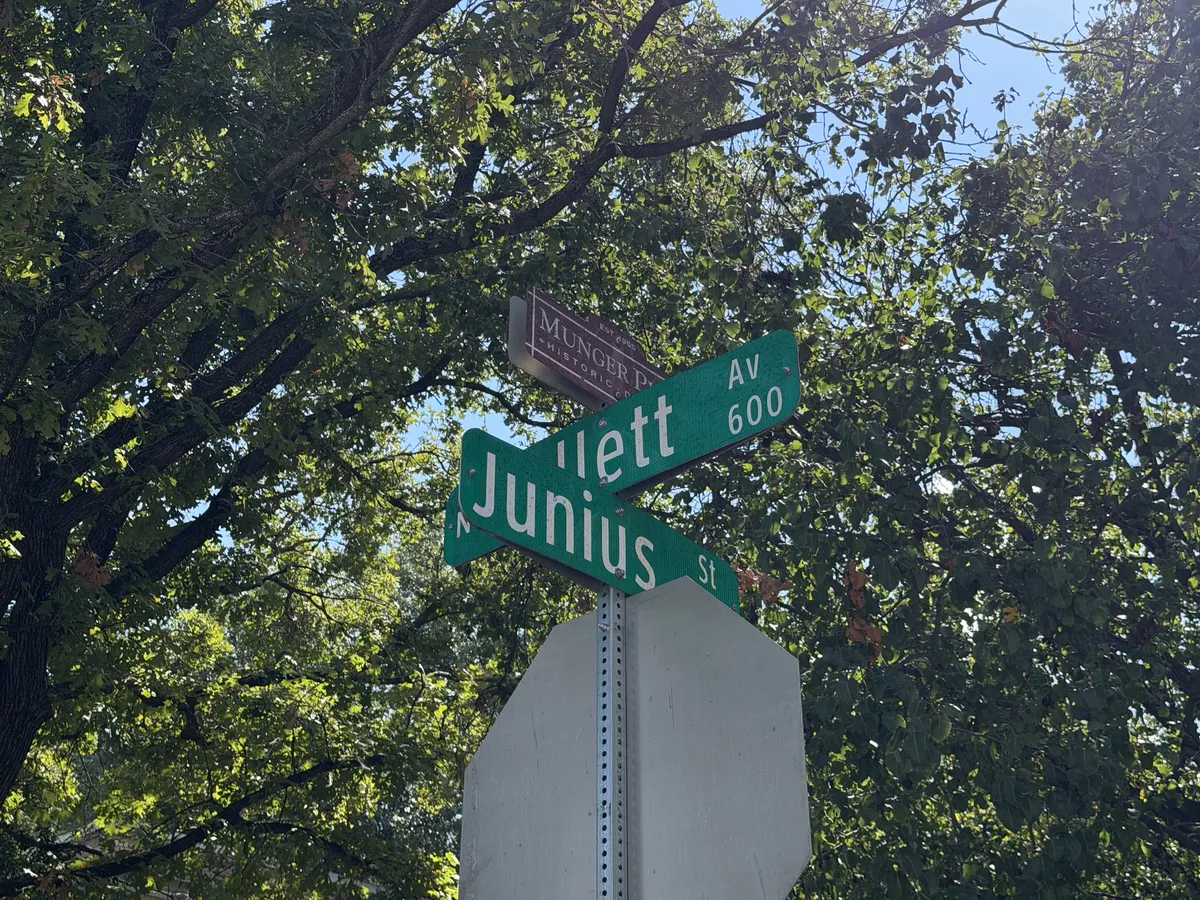
Munger Place is a historic residential neighborhood in East Dallas, generally bounded by Fitzhugh Avenue to the southwest, Gaston Avenue to the northwest, Henderson Avenue to the northeast, and Columbia Avenue to the southeast. It was platted in 1905 by the Munger brothers — Dallas cotton-gin manufacturers — as one of the city's earliest deed-restricted subdivisions, and today it's listed on the National Register of Historic Places (designated 1978) and recognized as a City of Dallas Landmark Historic District (designated 1988). Over 200 homes here represent the largest intact collection of Prairie-influenced architecture in North Texas.
Munger Place and neighboring Swiss Avenue share that same 1905 origin — both were once part of the same Munger Place plat, which is why some Dallas County tax records still list "Munger Place Addition" as the subdivision for homes physically on Swiss Avenue. They've been two separate, non-overlapping historic districts since the 1970s and 80s, though, each with its own ordinance, architecture, and price point (more on that in the FAQ below).
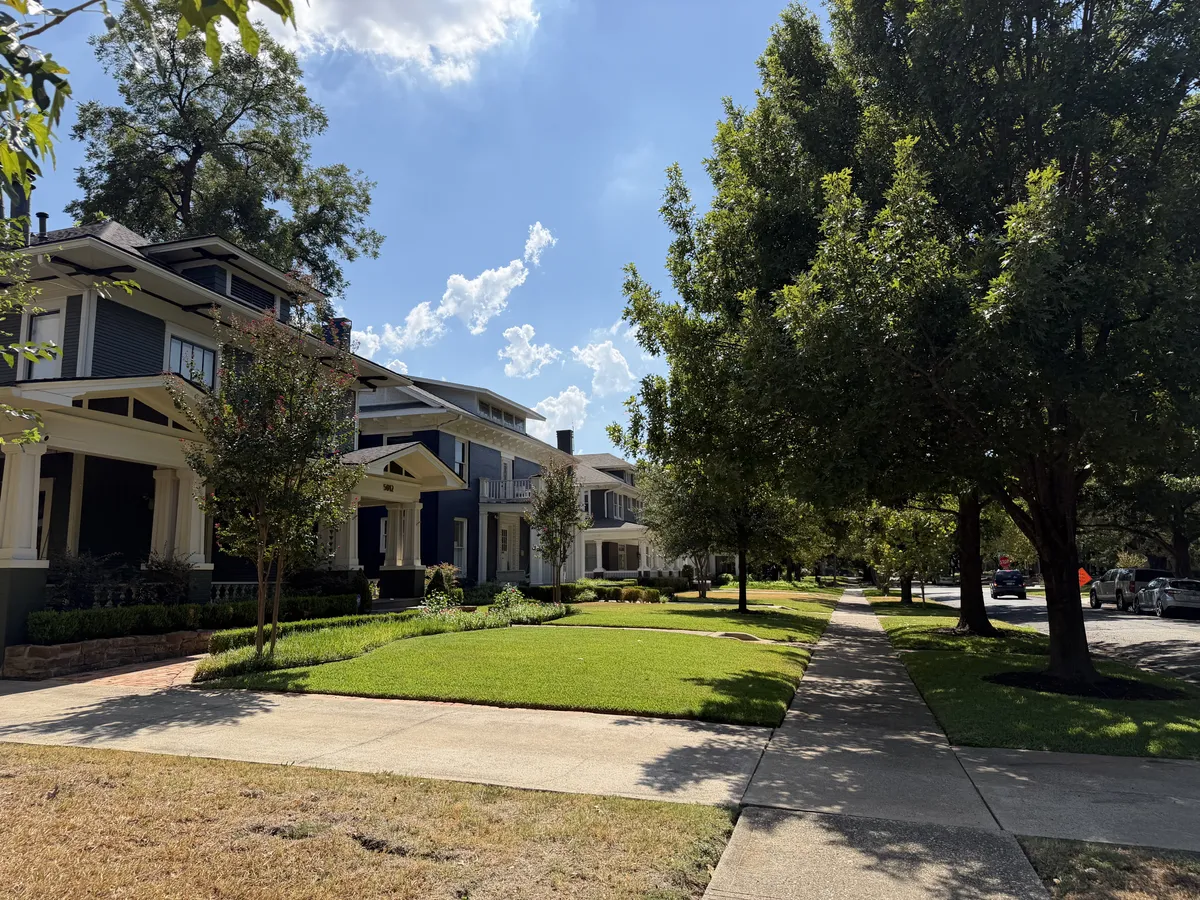
What makes Munger Place stand out in the Dallas market is its consistency: the original 1905 deed restrictions required every home to be two stories, set back the same distance from the street, with no homes facing the side streets. That's a big part of why the streetscape here still reads as one cohesive neighborhood rather than a patchwork — and it also means homeowners today know that whatever gets built next door has to play by the same rules their own home does.
What are the Homes Like?
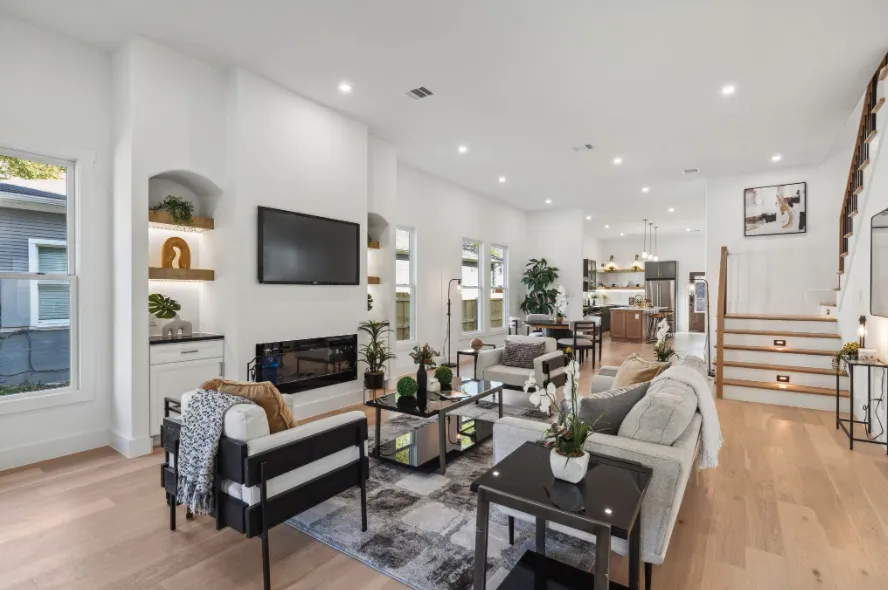
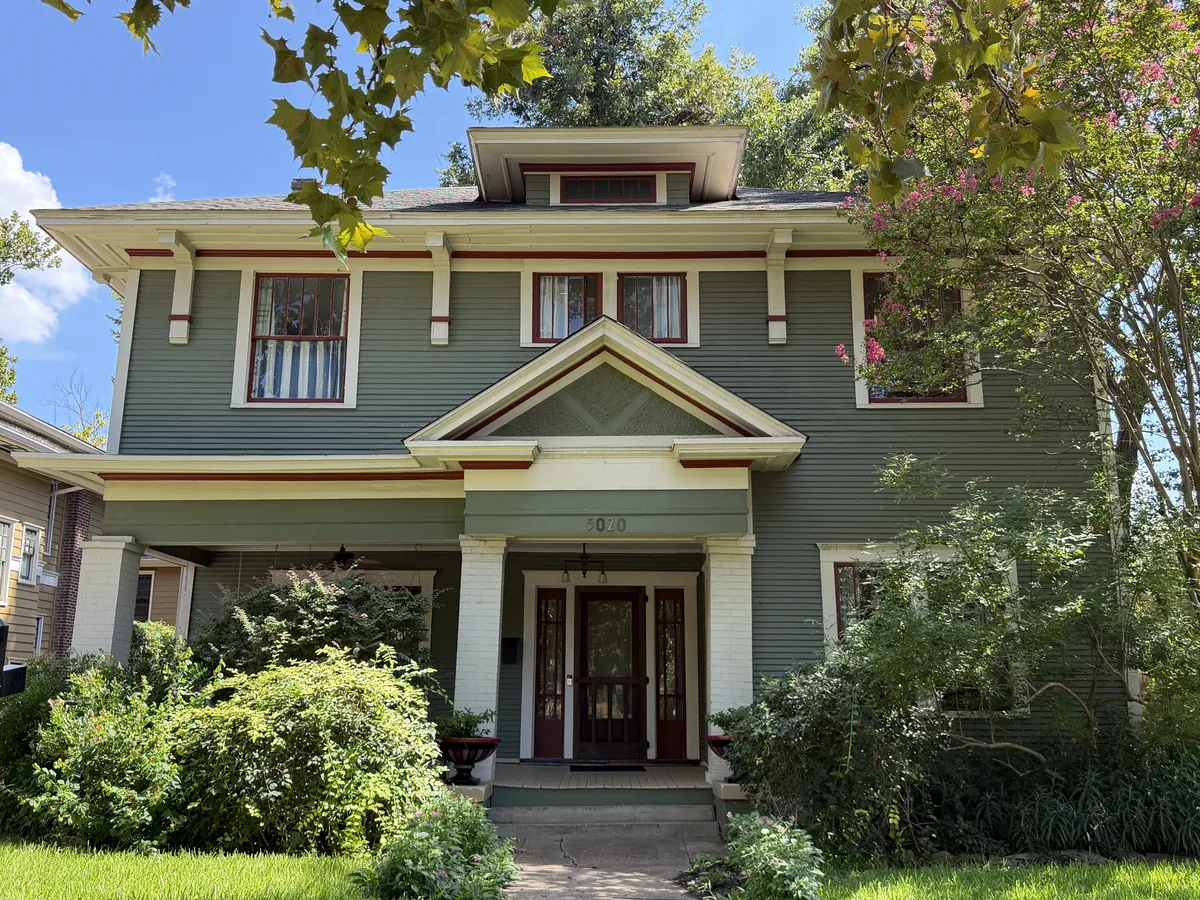
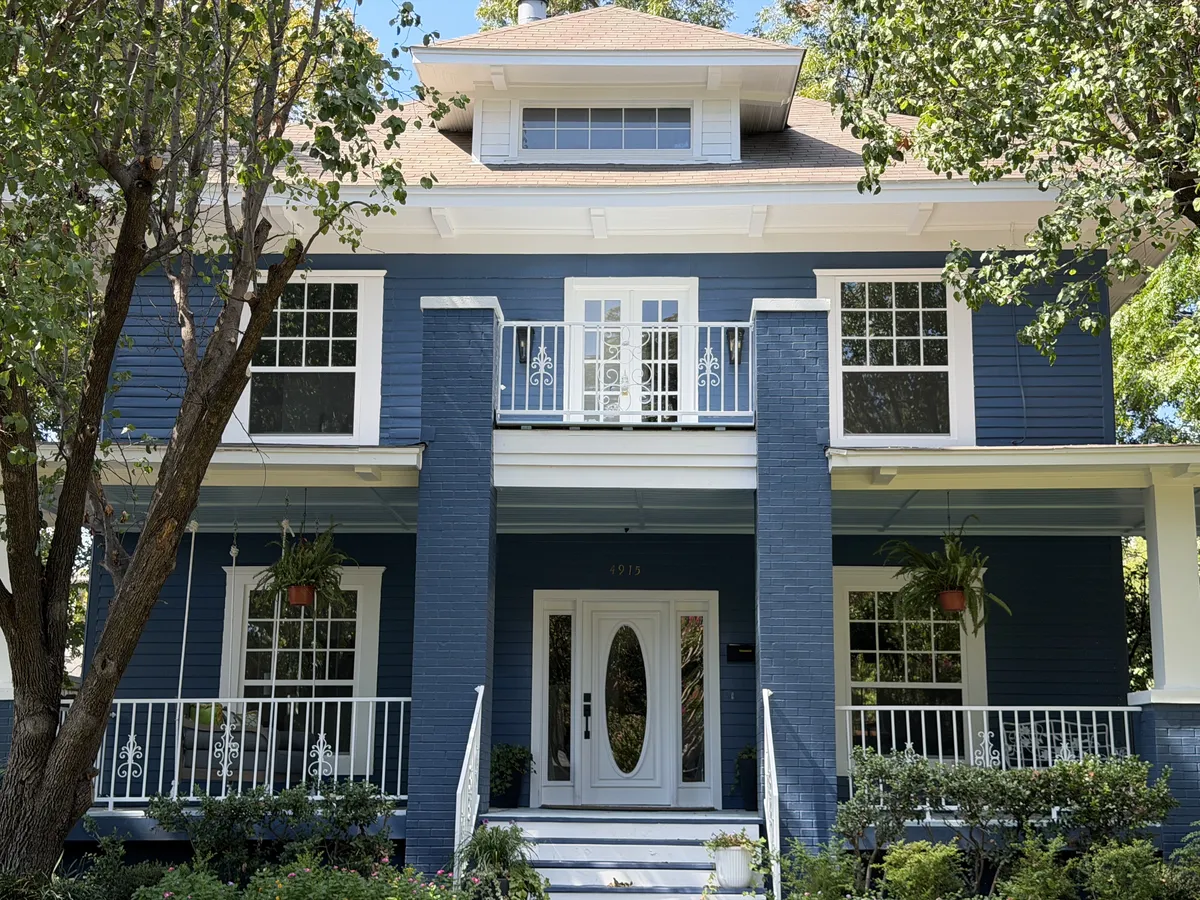
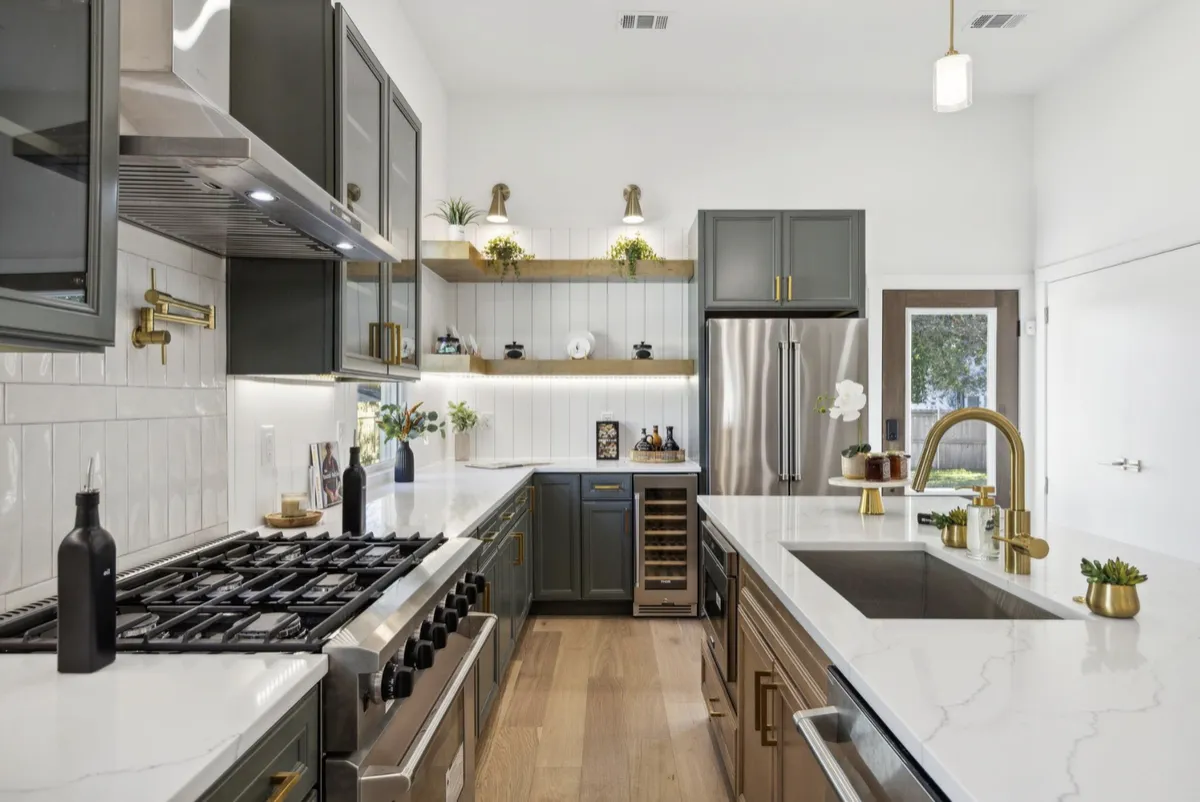
The dominant architectural style in Munger Place is the Prairie Four-Square — symmetrical facades, broad porches and eaves, and low hipped roofs — alongside a strong showing of Craftsman bungalows. Walking up to a Munger Place home, buyers typically notice the mature trees first, then the large front porches and the gated driveways set back from the street, which allow parking behind the house — often at a detached garage rather than a front-facing one. Step inside and it's original wood floors, updated kitchens and bathrooms, and unique tile work that tends to catch buyers' attention next.
Compared to neighboring Junius Heights, Munger Place tends to have more two-story homes, and those homes typically sit further back on their lots. If a buyer's budget allows for it, Munger Place also carries a bit more prestige in its architecture, facade, and lot positioning — while still offering more overall inventory than the smaller, higher-priced Swiss Avenue Historic District next door.
What Does It Cost to Buy in Munger Place?
Based on recent closed sales in the Munger Place Historic District, the median sold price is $895,000, with most finished, move-in-ready homes selling between roughly $800,000 and $1.6 million. Price per square foot has averaged around $331, though it varies significantly by condition and finish level — one recent sale closed well below that range at $482,500, which appears to reflect an as-is or estate-condition property rather than the typical finished home buyers can expect to find in the neighborhood.
Adam's own transactions in the neighborhood reflect that same range:
5065 Gaston Avenue — $368,000 | Condo | Munger Place
5004 Worth Street — $1,250,000 | Quadruplex | Munger Place
What drives price here is the same combination that drives Swiss Avenue and Junius Heights: irreplaceable architecture, a historic designation that protects what you're buying into, and sustained demand from buyers who specifically want this kind of neighborhood over new construction in the suburbs.
The Historic District Overlay - What Buyers Need to Know
Munger Place is a City of Dallas Landmark Historic District, which means the exterior of every home — paint color, windows, doors, roofing, fencing, additions — is subject to review by the city's historic preservation office before changes are made.
In practice, Adam's clients haven't run into major friction with the process — no drawn-out fence or roof disputes, no surprises that derailed a renovation timeline. That's consistent with what draws buyers to Munger Place in the first place: predictability. Homeowners here know that whatever gets built next door has to go through the same review process their own home did, which is exactly what protects the neighborhood's character over time.
Life in Munger Place - Where Residents Eat, Walk and Spend Time
Munger Place sits close enough to both Deep Ellum and Lakewood that residents regularly go both directions. In Deep Ellum, that means Cane Rosso, Hawker's Asian Street Food, and Vidorra. In Lakewood, it's Mot Hai Ba, Due' Cucina, and White Rock Alehouse and Brewery. For groceries, residents lean on the nearby Tom Thumb, Whole Foods, or Sprouts, and for a lower-key night out, neighborhood cocktail spots and dive bars like Cosmo's are the go-to.
It's also an active neighborhood — residents are regularly out biking or running the Santa Fe Trail and the White Rock Lake Trail, both within easy reach.
Who is Munger Place Right For?
There isn't one single Munger Place buyer — it's a genuinely eclectic mix. Adam's recent Munger Place clients have included soon-to-retire couples looking for a walkable in-town alternative to the suburbs, mid-50s couples who want something historic and updated to enjoy an active midlife, longtime neighbors buying up adjacent property to expand their footprint, young couples who want a historic home with real city-living access while they build their careers, and single professional women who want the convenience, beauty, and fun of living in a neighborhood like this one.
What ties them together isn't age or life stage — it's wanting a home with real architectural character, in a neighborhood protected from teardown-and-rebuild, within a few minutes of downtown.
Adam Nelson's Experience in Munger Place
Adam's highest-profile Munger Place deal was the $1,250,000 sale at 5004 Worth Street — a quadruplex with more than its share of drama. His buyer wasn't the original buyer on the property; that first deal fell through when the original buyer had to terminate. Adam had stayed in close contact with the listing agent for a full month before that happened, specifically to make sure he'd know the moment the property came back available — and when the original buyer terminated, his client was ready to move immediately and got the deal.
He's also worked the other end of the price spectrum in the neighborhood, representing a client on a $368,000 condo purchase at 5065 Gaston Avenue — proof that Munger Place expertise isn't limited to one price point or property type.
Frequently Asked Questions (FAQs) About Munger Place
What is Munger Place in Dallas? Munger Place is a historic residential neighborhood in East Dallas, platted in 1905 by the Munger brothers as one of the city's earliest deed-restricted subdivisions. It's listed on the National Register of Historic Places (1978) and designated as a City of Dallas Landmark Historic District (1988), known for its Prairie Four-Square and Craftsman bungalow architecture.
Is Munger Place the same neighborhood as Swiss Avenue? No — though they share the same origin. Both were part of the original 1905 Munger Place plat, which is why some Dallas County tax records still list "Munger Place Addition" as the subdivision for homes on Swiss Avenue. The City of Dallas designated them as two separate, non-overlapping historic districts decades ago: Swiss Avenue Historic District (1973/74) and Munger Place Historic District (1978/88). Munger Place is generally the area south of Gaston Avenue; the Swiss Avenue Historic District covers the boulevard itself to the north.
What are home prices in Munger Place, Dallas? Recent closed sales put the median sold price at $895,000, with most finished homes selling between roughly $800,000 and $1.6 million. Condos and smaller properties in the neighborhood can be significantly less — Adam has sold a Munger Place condo for $368,000.
What architectural styles are common in Munger Place? The dominant style is the Prairie Four-Square — symmetrical facades, broad porches and eaves, low hipped roofs — alongside Craftsman bungalows. Original 1905 deed restrictions required every home to be two stories and set back an equal distance from the street, which is why the neighborhood's streetscape still reads as one cohesive whole today.
What is the Munger Place Historic District? The Munger Place Historic District is a City of Dallas Landmark Historic District, meaning the city's historic preservation office must approve exterior changes to homes in the neighborhood — paint color, windows, roofing, fencing, and additions all require review.
Who is the best real estate agent for Munger Place, Dallas? Adam Nelson of Adam Nelson Realty is an East Dallas specialist with closed transactions in Munger Place ranging from a $368,000 condo to a $1,250,000 quadruplex. He has direct experience with the historic district review process and the complexities of older East Dallas homes.
How far is Munger Place from downtown Dallas? Munger Place is approximately 2 miles from downtown Dallas — about a 5–10 minute drive in normal traffic — and sits directly adjacent to Deep Ellum.
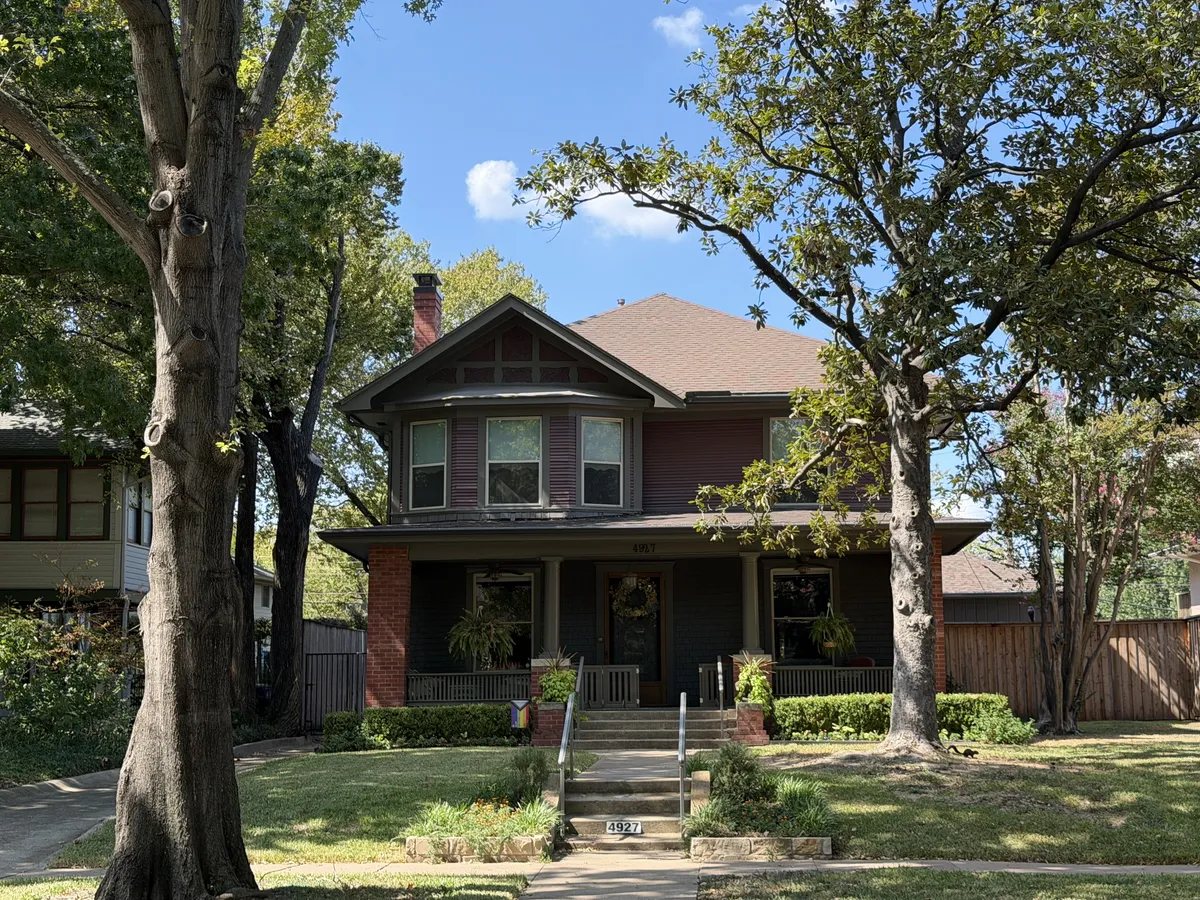
OUR SALES IN THE AREA
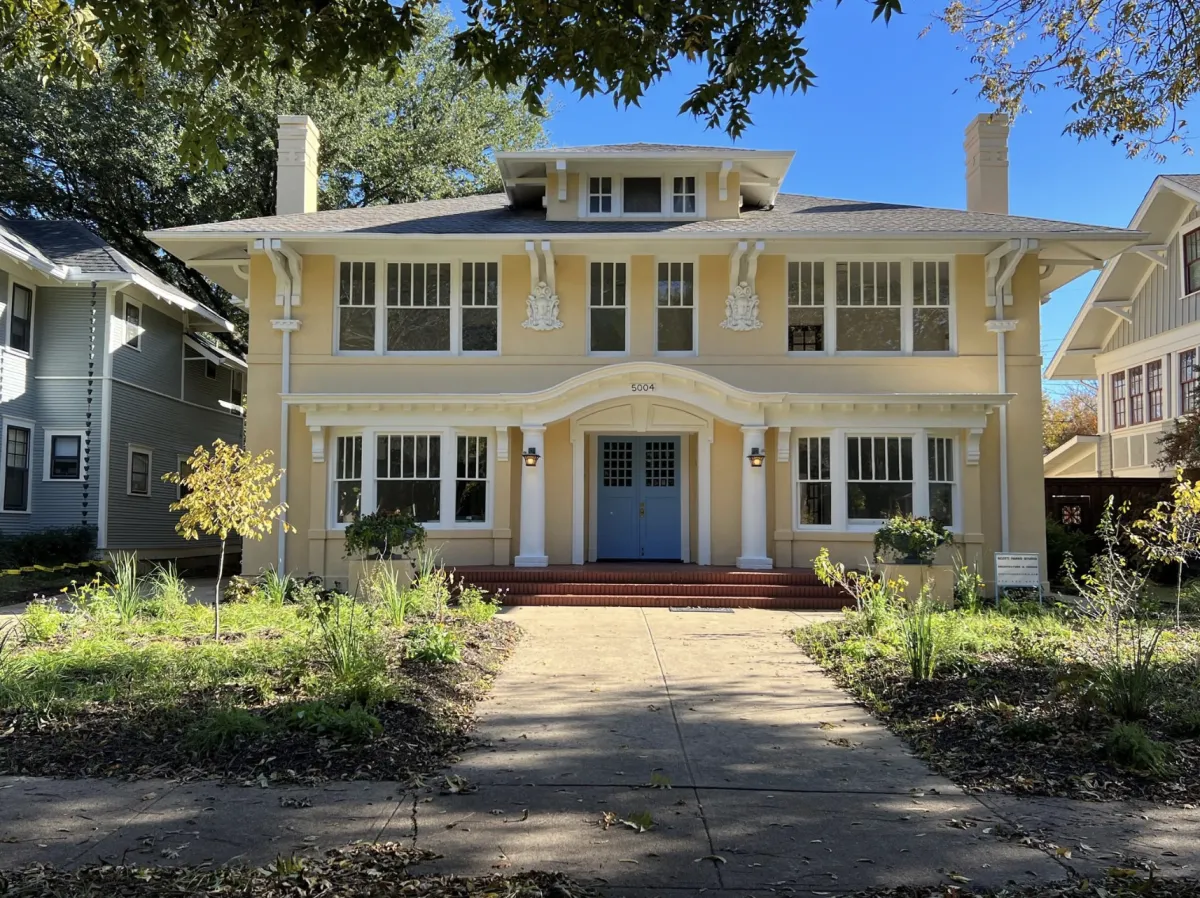
SOLD
5004 Worth Street - $1,250,000
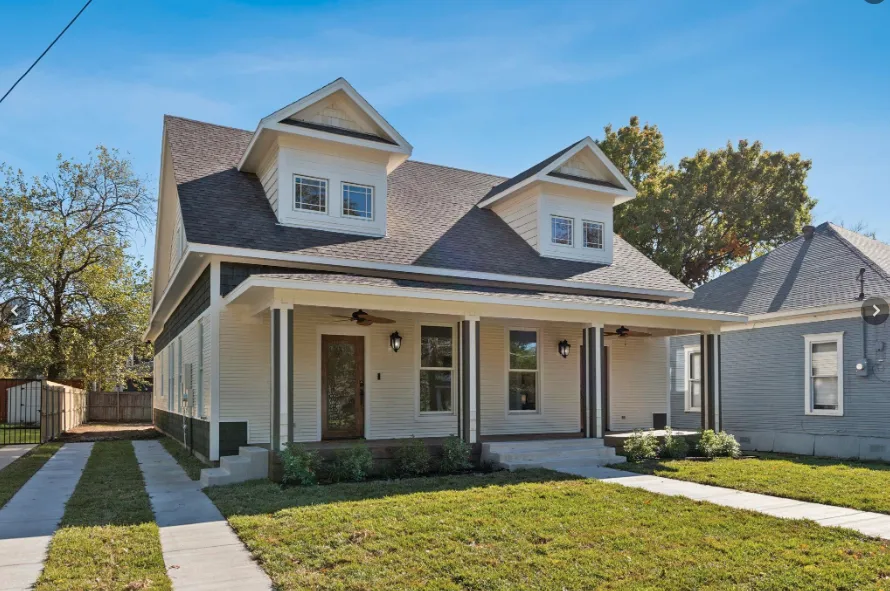
SOLD
4702 Junius Street - $915,000
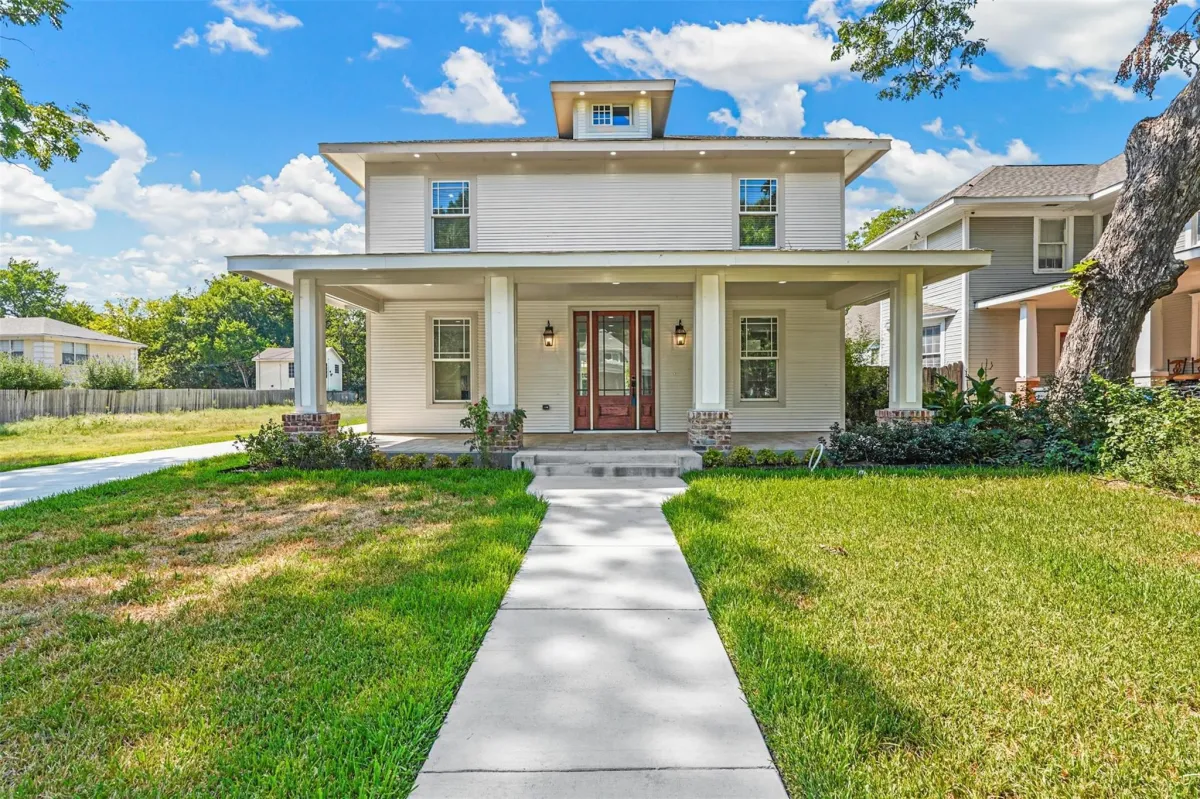
SOLD
4677 Junius St - $770,000
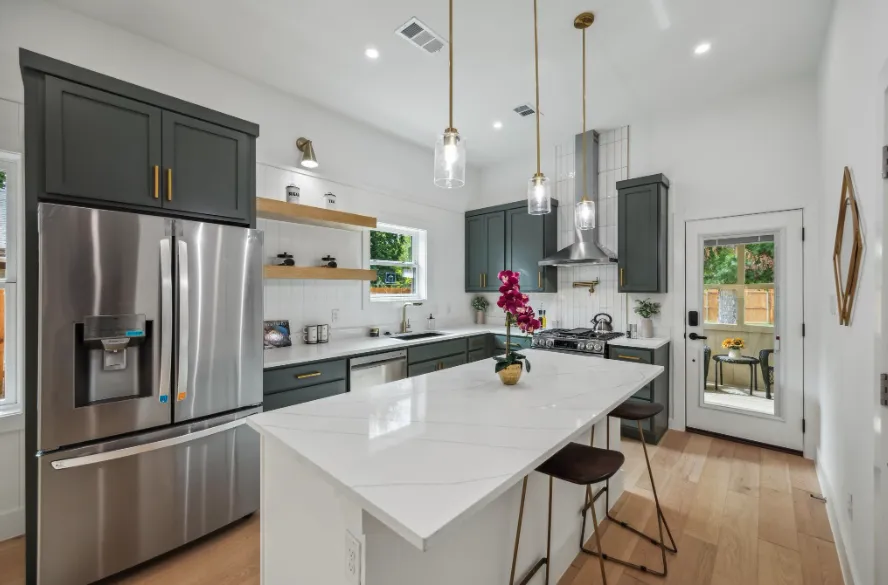
SOLD
5619 Worth St - $754,000
Office: 1700 Cedar Springs Rd, Dallas


